




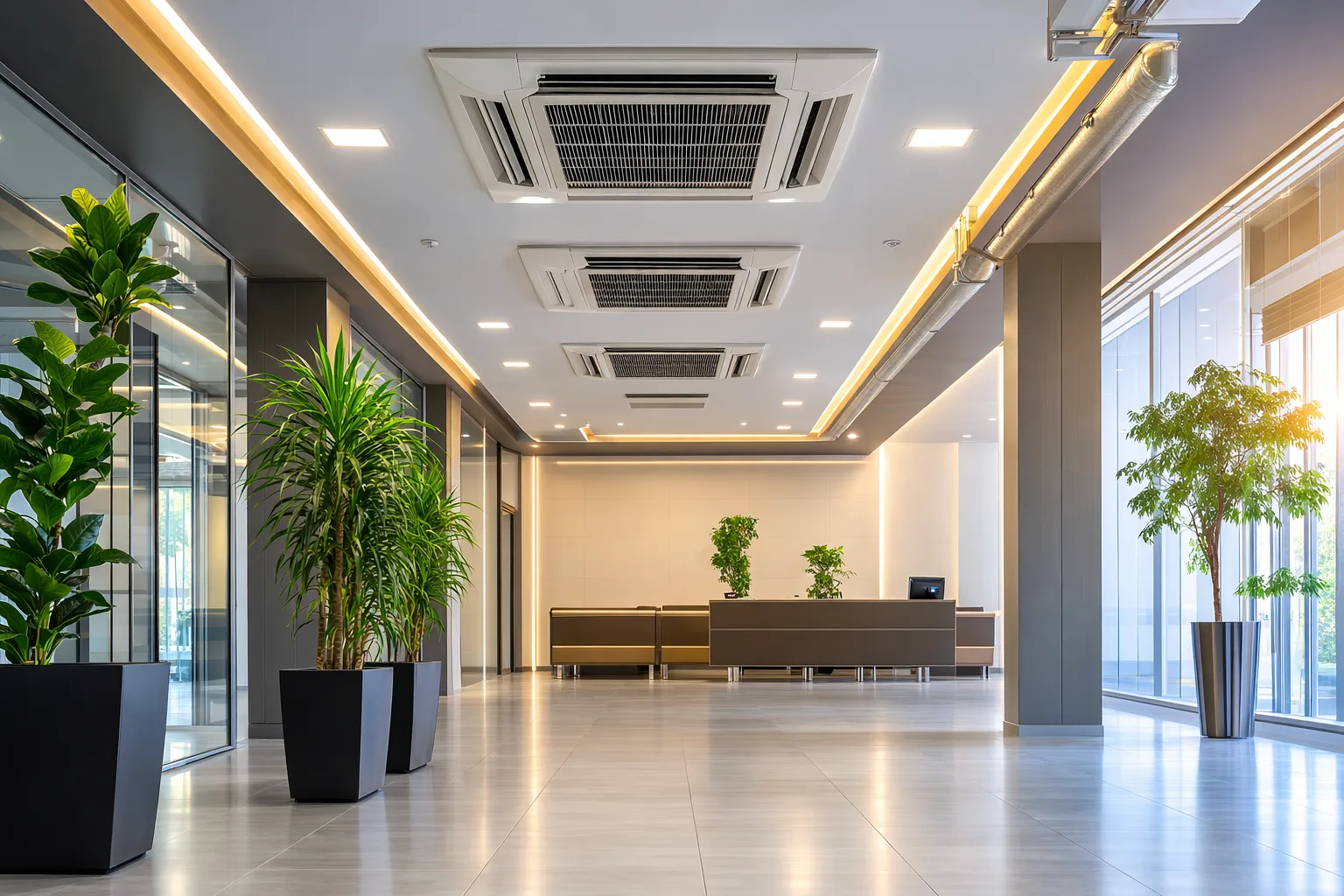
A reliable air conditioning system is more than a comfort feature. For many Australian businesses, it directly affects staff productivity, customer experience and operational costs. Whether managing an office, retail store, medical centre, warehouse or hospitality venue, the right climate control system protects both people and assets.
With more than 25 years of experience delivering commercial HVAC services in Sydney, we understand that no two premises are the same. Selecting the right business air conditioning solutions requires careful planning, accurate load calculations and consideration of long-term performance, not just upfront cost.
The following guide outlines what every business owner should consider before investing in commercial air conditioning systems.
Start With Your Business’s Actual Needs
Before looking at systems or brands, the square meterage is just the starting point, layout, ceiling height, sun exposure, number of occupants, and the nature of your business all influence what capacity and configuration you need.
A busy retail space with high foot traffic and heat-generating lighting has very different requirements to a quiet professional office. A warehouse with high ceilings and loading dock doors needs a different approach entirely. Getting this assessment wrong means either an undersized system that struggles to cope, or an oversized one that cycles on and off inefficiently and costs more to run.
Types of Commercial Air Conditioning Systems
Understanding your options helps you make a more informed decision. Here’s a straightforward breakdown:
1. Split System Air Conditioning
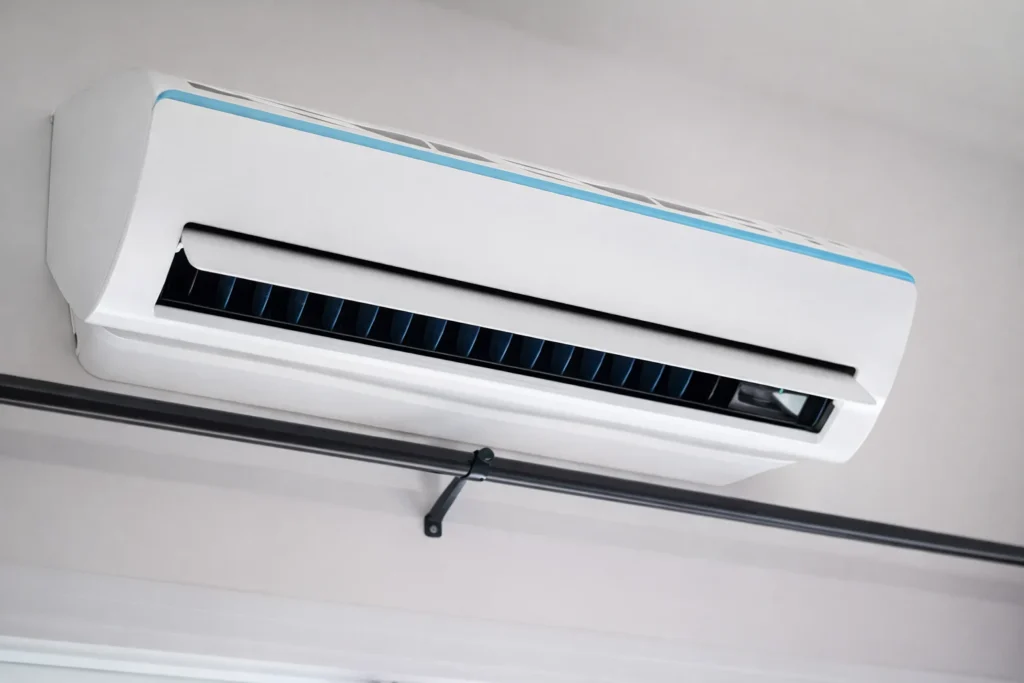
Commercial split systems are a reliable and cost-effective solution for small to medium spaces, individual offices, retail tenancies, or server rooms. They’re relatively simple to install and maintain, and work well where zoning isn’t complex. Commercial split system air conditioning is available in a range of capacities suited to business environments.
2. Ducted Air Conditioning
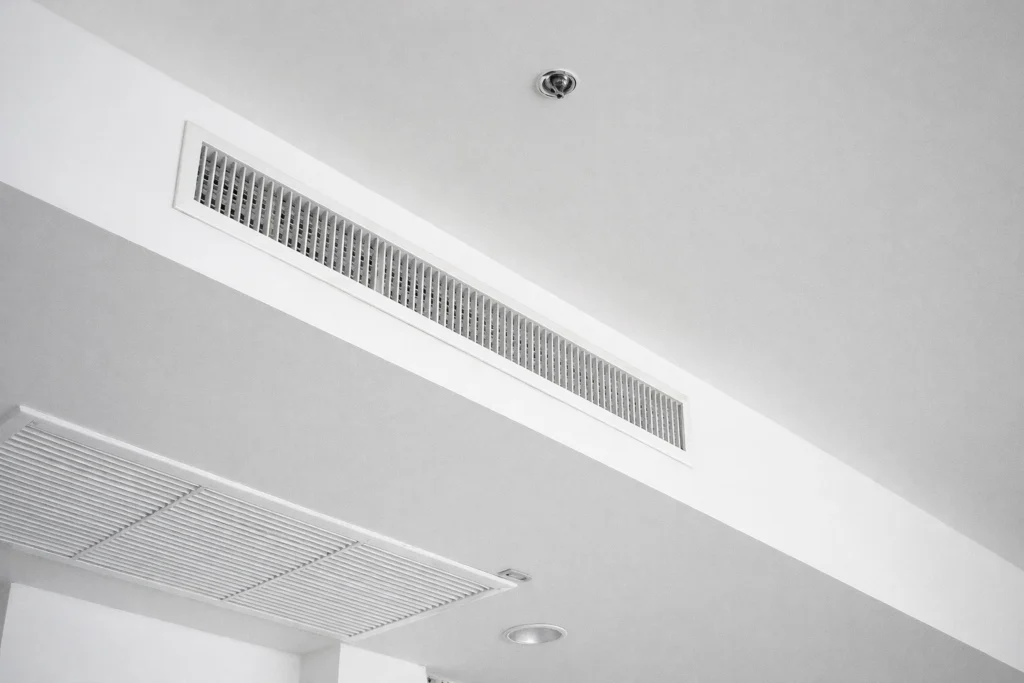
Ducted air conditioning for commercial buildings provides centralised climate control distributed through ceiling or floor vents. It’s well-suited to open-plan offices, showrooms, and larger retail spaces where you want a consistent temperature throughout without visible indoor units. It offers a cleaner aesthetic and can be zoned to manage different areas independently.
3. Multi-Zone Systems
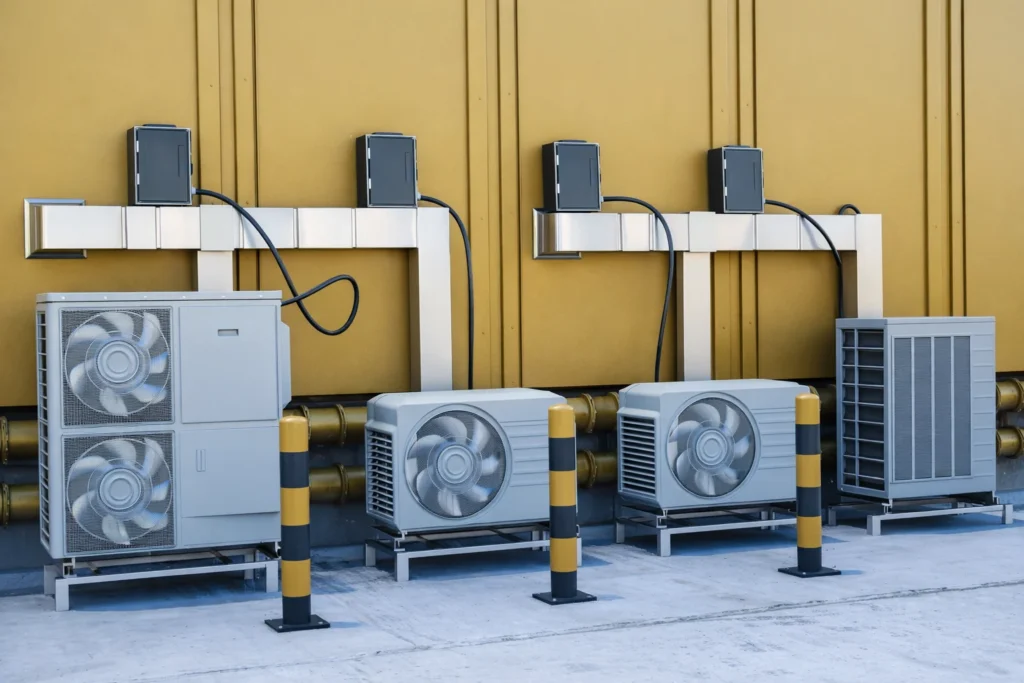
Multi-zone commercial air conditioning connects multiple indoor units to a single outdoor unit, giving you independent control over different areas. This is a practical option for businesses where different rooms or departments have different occupancy levels or temperature preferences, reducing energy waste in unoccupied areas.
4. VRF/VRV Systems
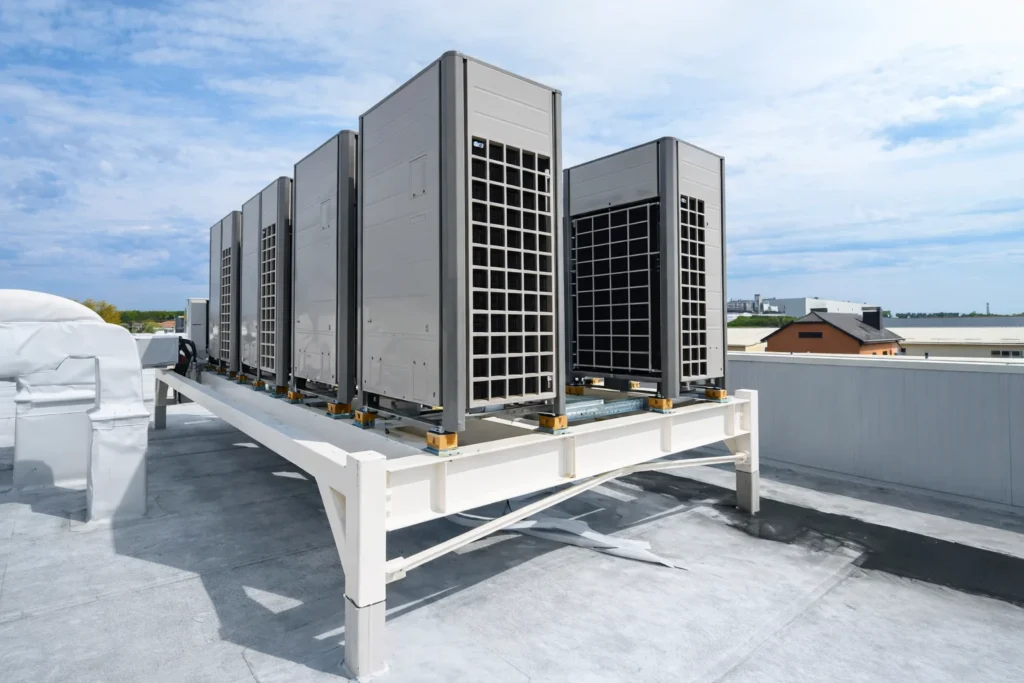
Variable Refrigerant Flow (VRF) or Variable Refrigerant Volume (VRV) systems are designed for larger commercial buildings where precise, simultaneous heating and cooling across multiple zones is required. They’re highly energy-efficient and scalable, making them a strong long-term investment for multi-level or large-footprint premises.
Energy Efficiency and Running Costs
Air conditioning running costs for business can be substantial, often one of the largest contributors to a commercial electricity bill. Choosing an energy-efficient commercial air conditioning system with a strong energy star rating reduces your ongoing operating costs significantly over the life of the equipment.
Inverter technology, programmable controls, and smart building integration all contribute to efficiency. It’s also worth considering the total cost of ownership, not just the upfront price. A cheaper system that costs more to run or breaks down frequently is rarely the better value.
Indoor Air Quality and Staff Wellbeing
Indoor air quality solutions are increasingly important in commercial environments. Poor air quality can affect staff wellbeing, productivity and compliance with Australian health standards.
Effective commercial HVAC systems provide:
- Proper ventilation and fresh air intake
- Filtration to reduce dust and allergens
- Humidity control
- Removal of airborne contaminants
For medical, hospitality and office environments, air conditioning compliance Australia requirements must be met to ensure safe and healthy indoor conditions. A professionally designed system supports workplace health and helps meet regulatory standards.
Professional Installation and Ongoing Maintenance
Even the best equipment underperforms if it’s poorly installed. HVAC installation for businesses requires qualified, licensed technicians who understand both the technical and compliance requirements specific to commercial environments in Australia.
Equally important is what happens after installation. Commercial air conditioning maintenance keeps your system running efficiently, extends its operational life, and helps you avoid costly emergency breakdowns. HVAC service contracts give you scheduled maintenance, priority response, and cost predictability, which matters for budgeting and business continuity.
Choosing the Right Commercial HVAC Provider
Not all providers are equal. When evaluating commercial HVAC services in Sydney, look for demonstrated experience with commercial projects of similar scale and type to yours. Check that they hold the relevant licences and accreditations, and that they can provide references or case studies.
A trustworthy provider will conduct a proper site assessment before quoting, explain their recommendations clearly, and be transparent about costs, both upfront and ongoing. They should also offer ongoing support, not just disappear after installation.
Ready to Find the Right System for Your Business?
If you’re unsure where to start, or you want an expert second opinion on your current setup, we’re here to help.
Frequently Asked Questions
1. What size air conditioning system does my business need?
Size depends on your floor area, ceiling height, insulation, sun exposure, occupancy, and the type of activities in the space. Undersized or oversized systems both create problems, getting this right upfront is essential.
2. What’s the difference between ducted and split system air conditioning for commercial spaces?
Ducted air conditioning for commercial buildings distributes conditioned air through a network of ducts and vents from a central unit, offering a cleaner look and whole-space climate control. Commercial split system air conditioning uses individual wall-mounted units suited to smaller or single-zone spaces. The right choice depends on your layout, budget, and how much control you need over different areas.
3. How much does commercial air conditioning installation cost in Australia?
Costs vary significantly based on system type, capacity, building complexity, and any electrical or structural work required.
4. How often should commercial air conditioning systems be serviced?
Most commercial systems should be serviced at least twice a year, with filter cleaning and basic checks more frequently in high-use environments.
5. Can energy-efficient air conditioning reduce my business’s electricity bills?
Yes, significantly. Modern, energy-efficient commercial air conditioning systems use inverter technology and smart controls to reduce energy consumption compared to older or lower-rated equipment.
6. What impact does air conditioning have on indoor air quality?
A well-maintained system with appropriate filtration improves indoor air quality by reducing dust, allergens, and airborne contaminants. Poor maintenance, blocked filters, or inadequate ventilation design can have the opposite effect.
