





Few things are more frustrating than when your AC stops working on a hot Australian summer day. One moment your home feels comfortable, and the next your AC isn’t cooling, leaving the space uncomfortably warm.
Knowing what to do in this situation, including practical emergency air conditioner tips, can help you stay calm, protect your home, and prevent further damage. In this guide, we explain the most common causes of AC failure, safe checks you can try, and when it’s time to call a professional for AC repair in Australia. With Radi Air, you can rely on our expert team, always here to keep your system running efficiently.
Why Your Air Conditioner Might Stop Working in the Heat
Common Causes of AC Breakdown on Hot Days
Hot weather puts serious strain on air conditioning systems. One of the most common complaints homeowners report is that their air conditioner is not cooling even though it’s running. This often comes down to restricted airflow caused by dirty filters or blocked vents.
Electrical overload is another frequent issue. On extremely hot days, power networks and AC systems are under heavy demand, which can trigger circuit breakers or safety shutdowns. In some cases, worn components simply can’t keep up with the heat, causing the system to stop altogether.
How Extreme Temperature Affects AC Performance
Extreme heat creates stress across multiple AC components. Compressors work harder, refrigerants struggle to absorb heat efficiently, and motors can overheat. As temperatures rise, cooling performance naturally drops – especially in older or poorly maintained systems.
This is why many people ask, why is my AC not working only on very hot days? Often, it’s a sign the system is operating beyond its designed capacity or needs servicing.
Signs Your AC Is Failing
Early warning signs shouldn’t be ignored. Warm air blowing from vents, strange smells, grinding or buzzing noises, or the unit frequently switching on and off can all indicate a developing fault. Acting early can prevent a full system breakdown.
What to Do When Your AC Stops Working
 Stay Safe and Cool – First Aid for Your Home
 Stay Safe and Cool – First Aid for Your Home
When your AC stops working on a hot day, the first priority is keeping your home comfortable. Close blinds or curtains to block direct sunlight, especially on north- and west-facing windows. Use ceiling or pedestal fans to improve airflow, and make sure everyone stays well hydrated throughout the day.
Try to avoid using heat-producing appliances, like ovens or dryers, until the temperature drops. These simple steps can help maintain a more manageable indoor environment while you assess the problem.
Quick Troubleshooting Checklist
Before assuming the worst, check the basics. Ensure the thermostat is set to “cool” and the temperature is lower than the current room temperature. Look at your circuit breaker to see if the AC switch has tripped. A quick reset may restore power.
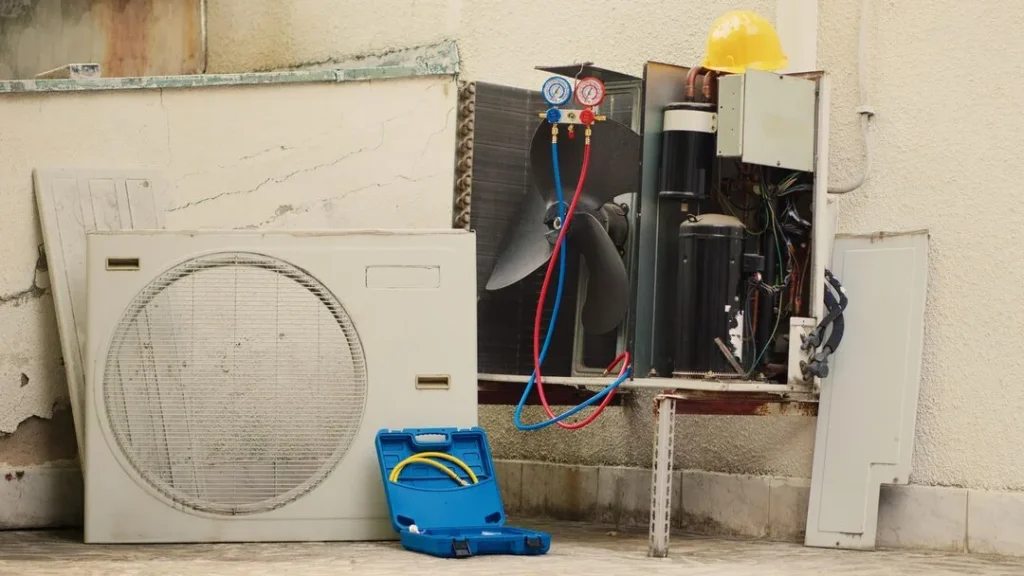
Step outside and inspect the outdoor unit. If it’s surrounded by leaves, dirt, or garden debris, airflow may be restricted, preventing effective cooling.
When You Can Reset Your AC Safely
A safe reset can sometimes fix minor faults. Turn the system off at the thermostat, switch it off at the main power, wait five minutes, then restart. What you should never do is repeatedly reset the unit if it keeps shutting down – this can cause further damage and lead to costly repairs.
DIY Fixes to Try Before Calling a Technician
Cleaning Your Air Filters
One of the easiest ways to fix a broken air conditioner is also the most overlooked. Dirty air filters reduce airflow and force the system to work harder. Remove the filters, rinse them gently with water, let them dry completely, and reinstall. Clean filters alone can significantly improve cooling.
Clearing Debris from the Outdoor Unit
Outdoor units need clear airflow to release heat. Remove leaves, grass clippings, and dirt from around the unit, ensuring at least 30–50 cm of clear space. This simple step often makes a noticeable difference during peak heat.
Checking Thermostat & Settings
Check that thermostat batteries are working and settings haven’t been accidentally changed. Sometimes the issue isn’t mechanical at all, but a simple control problem.
 When to Seek Professional AC Repair
 When to Seek Professional AC Repair
Warning Signs You Need a Technician
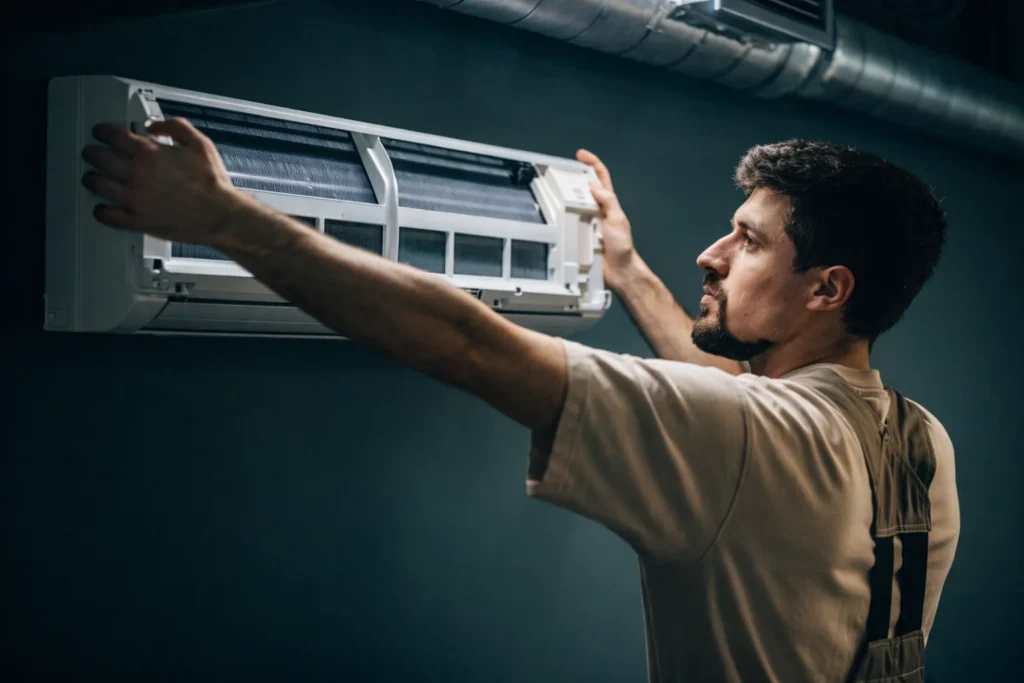
If your system shuts down repeatedly, leaks refrigerant, trips breakers, or emits burning smells, stop troubleshooting immediately. These issues require professional attention and can pose safety risks if ignored.
Choosing Reliable AC Repair in Australia
When searching for AC repair Australia, choose licensed technicians with local experience and transparent pricing. Trusted providers like Radi Air, we understand how Australian conditions affect air conditioning systems and can diagnose issues quickly and accurately.
Estimated Costs for AC Repair Services
AC repair costs in Australia typically range from a few hundred dollars for minor fixes to higher costs for major component replacements. Factors include system age, parts availability, and urgency, especially during heatwaves.
Preventative Measures to Avoid Future Breakdowns
Regular Servicing & Maintenance Tips
Scheduled servicing before summer helps identify problems early. Regular maintenance improves efficiency, reduces breakdown risk, and extends system lifespan.
How to Improve AC Lifespan
Using smart thermostat settings, avoiding extreme temperature changes, and maintaining a consistent cleaning schedule all help your AC perform better for longer.
Energy Efficient Practices for Summer
Energy-efficient cooling isn’t just about saving money — it reduces system strain. Use zoning where possible, seal gaps in doors and windows, and follow AC energy saving tips Australia homeowners trust.
Managing AC Issues with Confidence
Knowing what to do when your AC stops working on a hot day can make a stressful situation far easier to manage. From quick troubleshooting and safe DIY checks to recognising when professional assistance is needed, preparation is key. Addressing issues early helps maintain comfort, safety, and peace of mind — even during the hottest Australian summers.
Don’t let a malfunctioning AC disrupt your home or business. If your air conditioner has stopped working or isn’t cooling properly, our experienced team at Radi Air is ready to help. From fast fault diagnosis to reliable repairs, we’ll restore your comfort quickly and efficiently. Contact us today to book professional AC repair in Australia you can trust. Radi Air – always there.
Frequently Asked Questions
- Why does my AC stop working on extremely hot days?
A: When temperatures rise sharply, air conditioners have to work much harder to maintain indoor comfort. On very hot days, components like the compressor can overheat, electrical systems may overload, or airflow can become restricted due to dirty filters. This is why many homeowners experience their AC stops working on a hot day, even if it seemed fine before.
- What should I check first if my air conditioner is not cooling?
A: If your air conditioner is not cooling, start by checking the thermostat settings to ensure it’s set to “cool” and at the right temperature. Next, inspect the circuit breaker, clean or replace dirty air filters, and make sure the outdoor unit isn’t blocked by debris. These simple steps often resolve minor issues without needing professional help.
- Is it safe to keep resetting my AC when it stops working?
A: No, repeatedly resetting your air conditioner is not recommended. While a single reset can sometimes fix a temporary fault, frequent resets may indicate a deeper problem such as electrical issues or overheating components. Continuing to reset the system can cause further damage and increase repair costs.
- Can I fix a broken air conditioner myself?
A: Some minor issues can be safely handled at home, such as cleaning filters, clearing debris around the outdoor unit, or replacing thermostat batteries. However, if you notice refrigerant leaks, electrical faults, strange noises, or frequent shutdowns, it’s best to stop DIY efforts and contact a qualified AC repair Australia professional.
- How quickly should I call a technician if my AC stops working in summer?
A: If your AC stops working during a heatwave and basic troubleshooting doesn’t restore cooling, it’s best to call a technician as soon as possible. Prolonged heat exposure can be dangerous, especially for children, elderly residents, and pets. Prompt professional service helps restore comfort and prevents further system damage.
- How can I prevent my AC from breaking down on hot days?
A: Regular maintenance is the most effective way to avoid breakdowns. Scheduling annual servicing, keeping filters clean, ensuring proper airflow, and following energy-efficient cooling practices all help reduce strain on your system. Preventative care significantly lowers the risk of unexpected failures during peak Australian summer heat.
