



When temperatures drop across Sydney and the Macarthur region, most homeowners reach for the remote without thinking twice about what’s actually happening inside their system. Understanding how reverse cycle air conditioning works isn’t just technical curiosity, it helps you use your system smarter, maintain it properly, and get genuine value from every hour it runs.
What Is Reverse Cycle Air Conditioning?
Reverse cycle air conditioning is a system that both heats and cools your home by reversing the refrigeration process. In winter, it extracts heat from outdoor air and moves it inside; in summer, it removes heat from indoors.
Reverse cycle AC explained Sydney homeowners simply: it’s a two-in-one system that delivers year-round climate control without needing separate heating appliances. Whether part of a split system installation or a whole-home setup, it offers flexibility, control, and efficiency in one solution.
How the Heating Process Actually Works
Reverse cycle systems heat your home by capturing ambient warmth from outside air and transferring it indoors through a controlled refrigerant cycle.
Here’s how the process works in real terms:
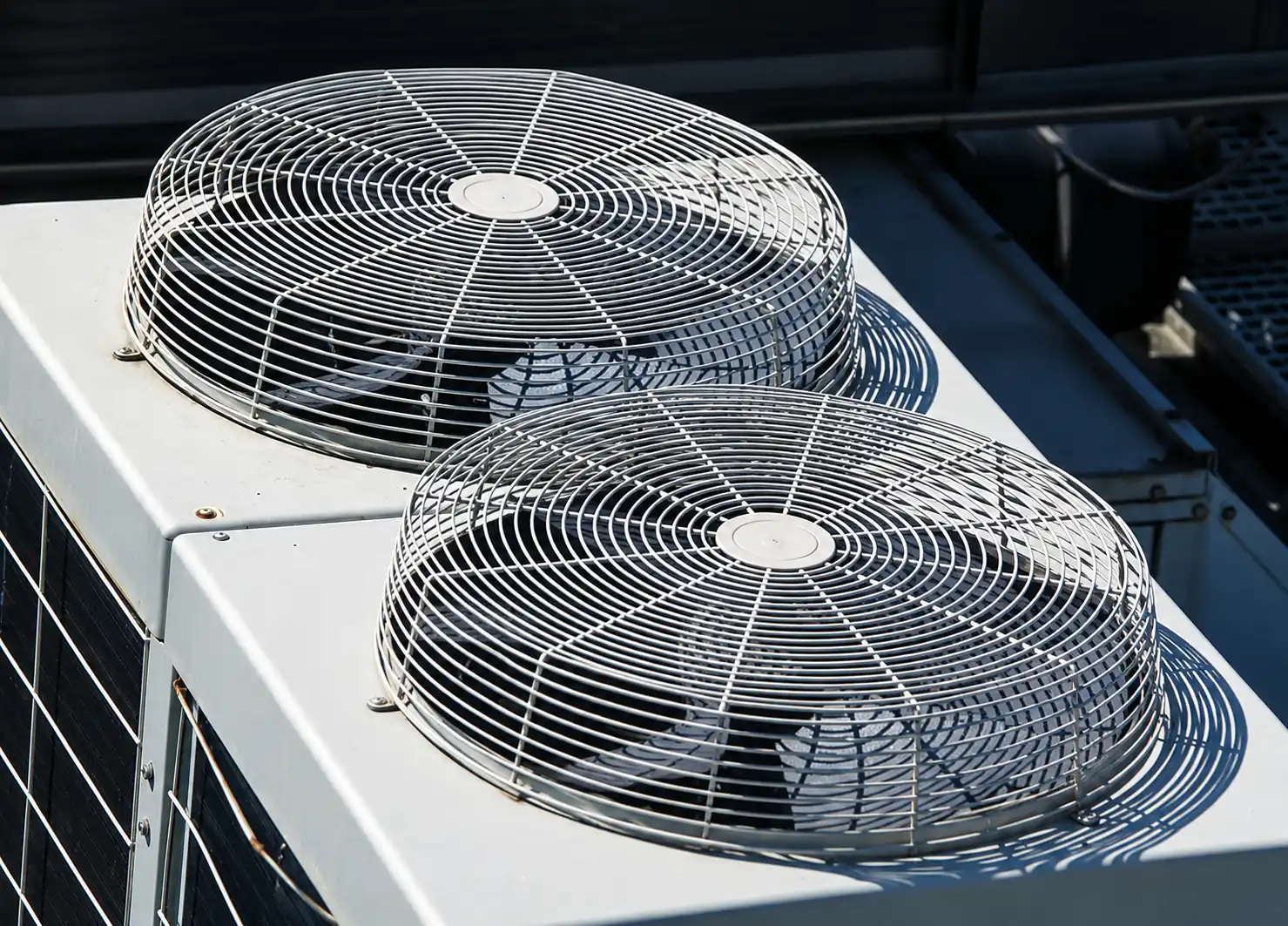
- The outdoor unit absorbs heat energy from the air, even in cold conditions
- A refrigerant compresses that heat, increasing its temperature
- The indoor unit releases warm air into your living space
- The system continuously cycles to maintain your set temperature
At Radi Air, one of the most common misconceptions we hear is that these systems “create” heat. They don’t. They move it and that’s why they use significantly less energy than electric heaters.
We recently upgraded a home in South-West Sydney that relied on portable heaters. After installing a reverse cycle system, the homeowner reported faster warm-up times, quieter operation, and noticeably lower evening power usage. The system didn’t just heat the space, it stabilised it.
Why It Performs So Well in Sydney Winters
Reverse cycle heating Sydney systems are ideally suited to local conditions because our winters are cool, not extreme. Even when outdoor temperatures drop, there’s still enough heat in the air for the system to extract and transfer indoors.
Modern systems are engineered to operate efficiently in low temperatures, maintaining consistent output without excessive strain. This makes them perfect for:
- Early morning heating before sunrise
- Maintaining comfort overnight
- Open-plan homes where consistent airflow matters
Many homeowners ask, how does a reverse cycle aircon work in winter when it’s cold outside? The answer is simple, even cold air contains usable heat energy, and the system is designed to capture it effectively.
Reverse Cycle vs Other Heating Options
When comparing reverse cycle vs ducted heating or electric heaters, the real difference comes down to efficiency and control.
Electric heaters generate heat directly, which consumes more energy. Gas systems can be powerful but often lack precise temperature control and can be costly to run over time.
Reverse cycle systems stand out because they:
- Deliver both heating and cooling in one unit
- Provide steady, even warmth without hot and cold spots
- Allow zoned control in ducted air conditioning Sydney setups
For smaller homes or individual rooms, split system heating winter Sydney installations are often the most practical choice. Larger homes benefit from ducted systems that provide full coverage with centralised control.
Reverse cycle systems don’t fight the cold, they outsmart it.
Understanding Energy Efficiency — What the Numbers Mean
Reverse cycle air conditioner efficiency is measured using the coefficient of performance (COP), which compares heat output to energy input.
For example, a system with a COP of 4 produces four units of heat for every one unit of electricity used.
In practical terms, this means:
- Lower running costs compared to traditional heaters
- Faster heating with less energy waste
- More consistent indoor comfort
This level of efficiency is why reverse cycle systems are often considered the best heating solution Sydney winter conditions demand. Instead of working harder, they work smarter, delivering more heat with less energy.
Is Your System Winter-Ready?
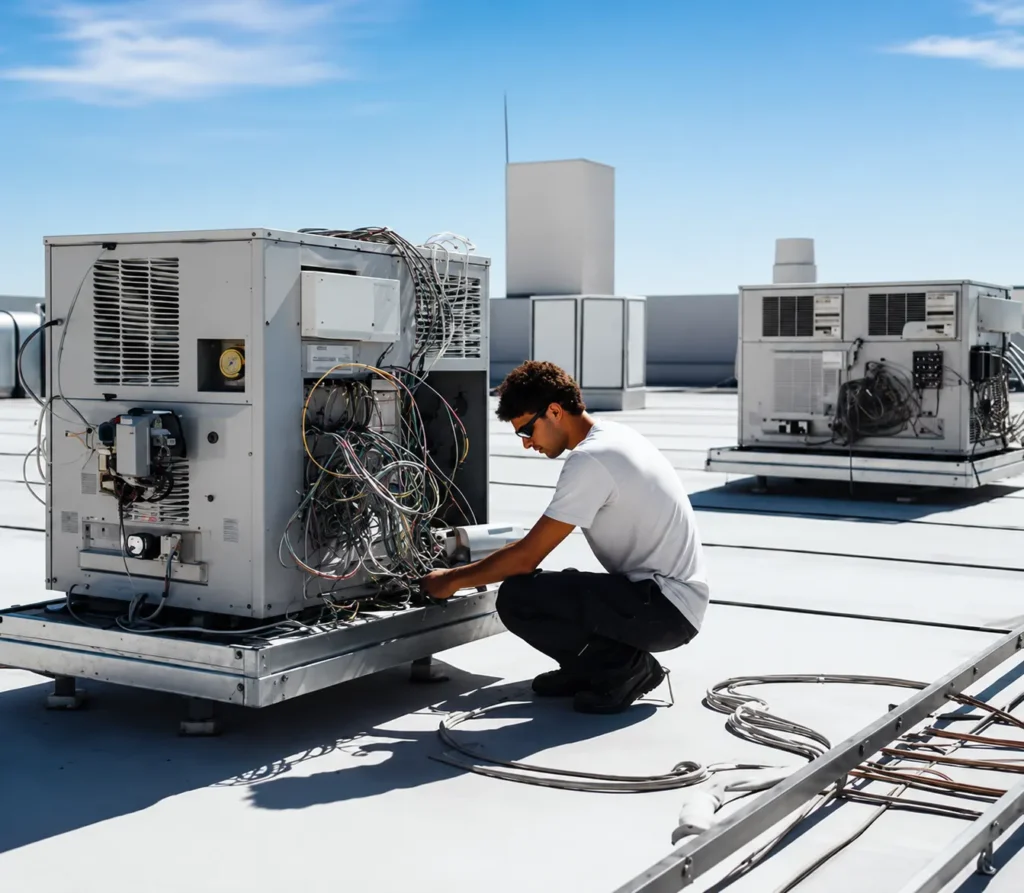
Even the most efficient system won’t perform properly without maintenance. Before winter sets in, it’s worth ensuring your unit is operating at its best.
Common issues we see include:
- Dust-clogged filters restricting airflow
- Low refrigerant levels reducing heating performance
- Thermostat inconsistencies affecting comfort
Booking a professional air conditioning service and repair before winter ensures your system runs efficiently when demand is highest. It also helps prevent breakdowns and extends the life of your investment.
Ready to Heat Your Home More Efficiently This Winter?
At Radi Air, we’ve spent over 25 years helping Sydney homeowners stay warm with reliable, energy-efficient heating solutions. Whether you need expert advice, a new installation, or a seasonal system check, our team delivers work you can trust, backed by a lifetime workmanship warranty and 5-star service.
If you want a heating system that performs properly all winter, book your service or request a quote with our experienced team today.
Frequently Asked Questions
1. How does reverse cycle air conditioning heat a home?
A: Reverse cycle air conditioning heats your home by extracting heat from outdoor air and transferring it indoors using a refrigerant cycle. The system compresses this heat to increase its temperature, then distributes it inside. Because it moves heat instead of generating it, it operates far more efficiently than traditional electric heaters.
2. Does reverse cycle air conditioning work in very cold Sydney winters?
A: Yes, reverse cycle systems work effectively in Sydney winters. Even when temperatures drop, there is still enough ambient heat in the air for the system to extract. Modern units are designed to maintain performance in low temperatures, providing reliable and consistent indoor heating throughout the colder months.
3. Is reverse cycle heating cheaper to run than other options?
A: In most cases, reverse cycle heating is more cost-effective than electric or gas heating. Its high efficiency means it produces more heat per unit of electricity used. Over time, this results in lower running costs, especially during extended winter use when compared to less efficient heating systems.
4. Can one system handle both heating and cooling?
A: Yes, a reverse cycle system provides both heating and cooling in one unit. By reversing the refrigerant cycle, it can switch between warming your home in winter and cooling it in summer. This makes it a versatile and space-saving solution for year-round comfort in Sydney homes.
5. What temperature should I set my system to in winter?
A: For the best balance of comfort and efficiency, set your system between 18°C and 21°C during winter. This range keeps your home warm without overworking the unit or increasing energy consumption. Maintaining a consistent temperature also helps improve overall system performance and comfort.
6. When should I service my air conditioner before winter?
A: It’s best to service your system in autumn before colder weather begins. This ensures all components are working correctly, filters are clean, and the system is ready for continuous use. Regular servicing reduces the risk of breakdowns and helps maintain energy efficiency throughout winter.
7. Which is better: reverse cycle or ducted heating?
A: The right option depends on your home and needs. Reverse cycle systems are highly efficient and ideal for targeted heating, while ducted systems provide whole-home coverage. Both can perform well, but reverse cycle systems often deliver better energy efficiency and flexibility for most Sydney households.
8. What are signs my system needs repair before winter?
A: Common warning signs include weak airflow, unusual noises, uneven heating, or rising energy bills. These issues may indicate blocked filters, refrigerant problems, or worn components. Addressing them early with professional servicing ensures your system operates reliably when you need consistent heating most.